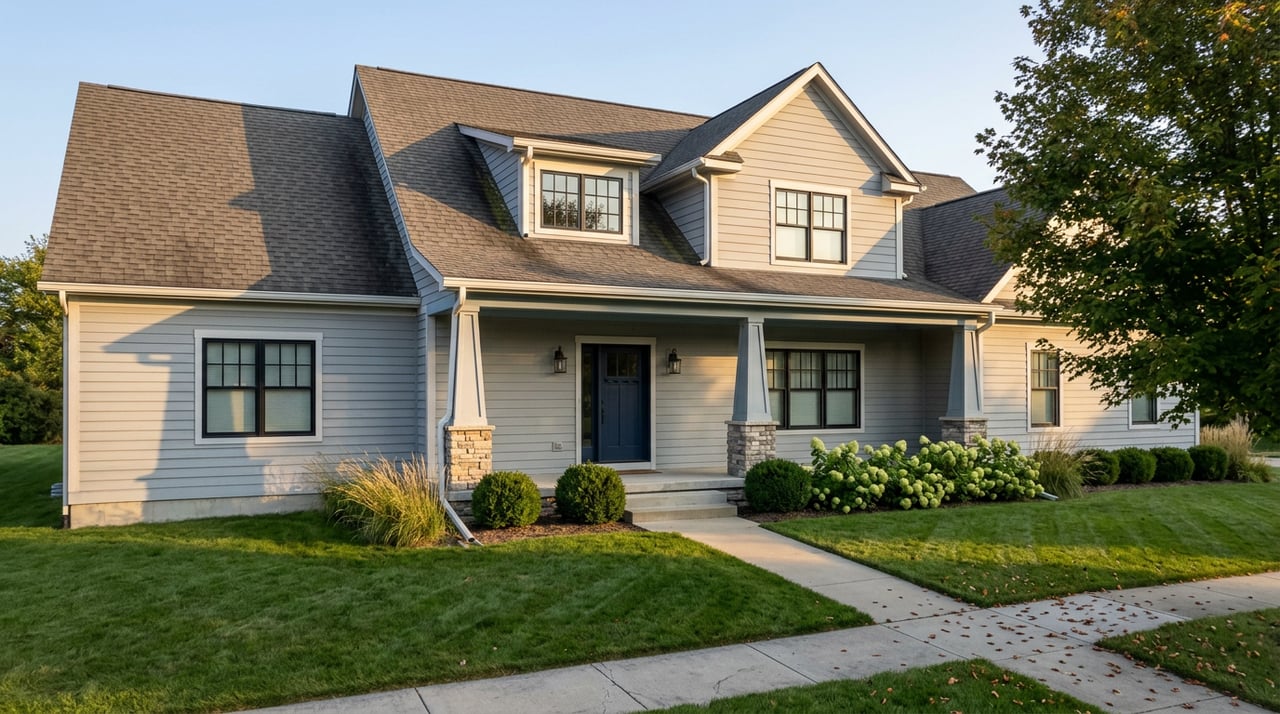
If you own a home in West Chester Township, a letter from the Butler County Auditor is either already in your mailbox or on its way there before the end of the year. It will tell you your property's new value went up by roughly 18 percent. For a home that was worth $400,000 last year, that reads like a $72,000 jump on paper, and it is easy to see that number and assume your tax bill is about to grow by the same percentage.
It won't. Not because the county is doing you a favor, but because Ohio law never let value and tax bills move in lockstep in the first place. If you are buying, selling, or just trying to plan a household budget in West Chester this fall, understanding the gap between those two numbers matters more than the headline percentage does.
The Reappraisal Is Mandatory. The Panic Isn't.
Every county in Ohio reappraises property values once every six years, with a lighter update in between. Butler County's turn came due for 2026, and the Ohio Department of Tax Equalization approved the county's new tentative values on June 25, 2026. Countywide, the median residential and agricultural increase landed at 19 percent. Commercial and industrial property rose a median 20 percent.
West Chester Township's residential number came in at 18 percent, a hair below the county median. That is worth sitting with for a second, because it runs against what most people would guess. West Chester is one of the county's most competitive, most talked-about submarkets. You would expect the hottest area to post the biggest jump.
Instead, the biggest percentage increases landed in places that were catching up from a lower starting point. Lemon Township rose 39 percent. New Miami rose 32 percent. Middletown rose 30 percent. Hamilton rose 27 percent. Here is how a handful of Butler County jurisdictions compared:
| Jurisdiction | 2026 Median Value Increase |
|---|---|
| Middletown | 30% |
| Hamilton | 27% |
| Butler County overall | 19% |
| Liberty Township | 18% |
| West Chester Township | 18% |
| Fairfield (city) | 12% |
West Chester's values were already closer to current market reality after years of steady appreciation, so this reappraisal had less catching up to do in percentage terms even though the actual dollar values involved are larger than almost anywhere else in the county. A home that is already worth $450,000 gaining 18 percent adds more real money than a $180,000 home in Middletown gaining 30 percent, even though the second number looks scarier on the letter.
Auditor Nancy Nix put the reappraisal's purpose plainly in the county's release: "We must follow the market during a reappraisal per state law and the Ohio Constitution, and market values continue to rise." Her office isn't setting your tax rate. It is documenting what your neighbors' homes actually sold for.
Butler County Has Been Here Before, and the Fight Didn't Stick
This isn't the first time a Butler County reappraisal has made headlines. After the 2020 reappraisal, the state initially ordered a 20 percent value hike. The county auditor at the time pushed back, proposing a smaller 13 percent increase, then a revised 14.5 percent. The state denied both, and the county appealed to the Ohio Board of Tax Appeals. While that appeal played out, the increase held at an average of 14 percent, a partial win for property owners.
Then the 2023 triennial update, the lighter three-year check-in that happens between full reappraisals, blew right past that fight. Values in that update soared 37 percent countywide.
The lesson isn't that this year's 18 percent number is destined to spike again. It's that the auditor's number is a snapshot, not a ceiling or a floor, and it moves on a schedule that has nothing to do with your personal timeline as a buyer or seller.
The Number That Actually Moves Your Bill Lives in Four Bills You've Probably Never Read
Ohio lawmakers passed a package of four bills this year, House Bills 186, 335, 129, and 309, aimed at loosening the link between rising values and rising tax collections. Most of what they do kicks in with the 2026 tax year, the same year covered by this reappraisal.
Two pieces matter most if you own or are about to own a home in West Chester. First, the state's old 10 percent non-business credit is being phased out entirely over four years starting with 2026 taxes, which means investment and rental property owners will see their effective rates climb roughly 2.5 percent a year through 2029. Second, the owner-occupancy credit, the one that applies if you actually live in the home, is being expanded to eventually deliver up to 15.38 percent in relief, more than the combined 12.5 percent credit in place for the 2025 tax year. If you own the home you live in, that expansion is working in your favor even as the raw value on your letter climbs.
On top of that, a new countywide 2-mill levy for the Board of Developmental Disabilities takes effect with 2026 taxes, adding roughly $70 per $100,000 of assessed value regardless of what the reappraisal did to your specific number. That levy passed by vote, so it isn't tied to the reappraisal at all, but it lands on the same bill and gets blamed on the same letter.
What This Means If You're Closing This Fall
If you are under contract on a West Chester home right now, your lender is going to build an escrow projection using property tax figures, and those figures are about to be based on values that just moved. Don't estimate your future tax payment off last year's bill. Ask your agent or the seller for the current auditor notice, or pull the parcel directly from the county's records, and use that as your baseline for what escrow will actually look like once the new value is certified.
This is exactly the kind of detail that gets missed by out-of-area buyers moving here for a job or a military transfer, since sight-unseen purchases don't always come with a walk through the mailbox. If you're buying long-distance, it is worth a five-minute phone call before you lock in a monthly payment estimate.
What This Means If You're Listing
If you are selling in West Chester, expect buyers and their agents to be looking at the same new value you are. That is normal, and it isn't a signal that something is wrong with your home. The auditor's assessed value and your list price are two different measurements built for two different purposes, one for taxation, one for the market, and they are allowed to disagree.
What helps is being ready with the conversation before a buyer raises it. If you know your new assessed value, you can address it in the listing conversation rather than fielding a nervous question mid-negotiation.
If Your New Number Looks Wrong
Every property owner has the right to formally challenge their new value through the Butler County Board of Revision. For 2026 values, that window opens the first Monday in January and closes March 31, 2027. The evidence the board actually accepts includes a recent arm's-length sale of the property, a credible appraisal completed near the January 1, 2026 valuation date, or comparable sales pulled from the county's own neighborhood sales data. A complaint that succeeds often results in a meaningful reduction, though every case is different and depends entirely on the evidence you bring.
Missing the March 31 deadline means waiting for the next filing window, so if your letter looks off compared to what similar homes nearby have actually sold for, it is worth starting that file now rather than after the deadline passes.
Quick Answers
Does an 18 percent value increase mean my West Chester taxes go up 18 percent? No. Tax rates, credits, and voted levies all factor into your final bill separately from the reappraisal, and Ohio's new inflation-cap legislation is specifically designed to soften that link for the 2026 tax year.
I'm buying in West Chester this fall. Will my escrow account change? Likely yes, since your lender's estimate needs to reflect the new value. Ask for the current auditor notice rather than relying on the seller's most recent tax bill.
What if I think my new value is too high? You can file a complaint with the Butler County Board of Revision between the first Monday in January and March 31, 2027, using evidence like a recent sale price or a comparable appraisal.
If you're weighing a move in West Chester this fall, whether you're buying your first home here, relocating for a job or a PCS order, or getting ready to list, I'd rather walk you through what your specific numbers actually mean than let you guess from a letter in the mail. Reach out to Homes by Megan Reed and let's get you a clear answer before you have to make a decision around it.