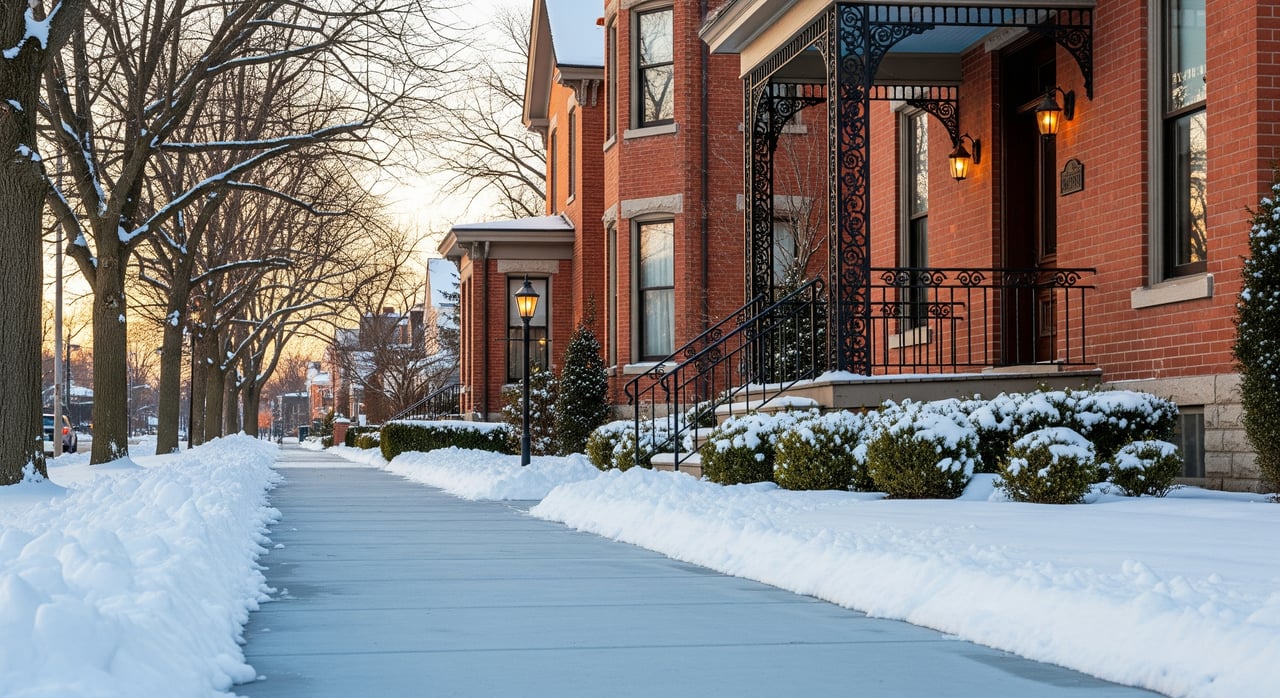
Snow on the sidewalk can cost you showings, invite complaints, and even lead to fines. If you are selling a home in Tipp City this winter, you want every buyer’s first step to feel safe and welcoming. You also want to avoid surprise violations or charges that could complicate closing. In this guide, you will learn how to confirm the official rules, what most Ohio cities require, how enforcement usually works, and the practical steps that keep your listing compliant and buyer friendly. Let’s dive in.
Why sidewalk clearance matters
Clear sidewalks help buyers reach your door safely and on time. It also shows care and pride in your home, which sets the tone for the showing. If you do not comply with local rules, you could face citations or abatement charges that follow the property to closing. Keeping up with snow and ice during your listing period protects visitors and protects your sale.
Verify Tipp City’s current rules
City rules can change. Always check the current ordinance before winter weather hits.
- Start with the Tipp City Code of Ordinances. Use the search bar to check “sidewalk snow” or “snow removal” in the Tipp City Code of Ordinances.
- Confirm the latest guidance or contact details on the Tipp City official website. Look for Public Works or Code Enforcement.
- If you need broader context on county or state standards, review the Miami County official site and the Ohio Revised Code.
When you find the relevant section in the code, check for four items: who is responsible, the deadline after a snow or ice event, the required width or standard of clearance, and any special notes for corner lots, curb ramps, or commercial properties.
What most Ohio ordinances require
While you should verify Tipp City’s exact language, many Ohio municipalities include similar provisions. Use these as a planning guide, then confirm details in the code.
- Responsibility. Most cities place the duty on the abutting property owner to keep adjacent sidewalks safe and passable. Leases can assign day-to-day work to tenants, but owners often remain legally responsible.
- Timeframe. Common deadlines range from a few hours after snowfall stops to by the next day. Some cities set shorter windows for commercial properties or daytime events.
- Standard of clearance. Expect a clear, passable path that reduces slip hazards. Many places target around 36 to 48 inches of width. For ice, you may need to remove it or treat it with salt or sand.
- Corner lots and ramps. Many cities require clearing around the corner and across curb ramps to the crosswalk.
- Exceptions. Rules may allow extra time during ongoing storms or severe events. Some places plow certain sidewalks, but you should not assume that applies to your frontage.
- City abatement. If owners do not comply, cities often remove snow or ice and bill the property. Those costs can be assessed against the property if unpaid.
Use the ordinance to confirm exactly what applies to your property type and frontage.
Enforcement and penalties in practice
Understanding how enforcement typically works helps you plan and avoid issues.
- Process. Complaints or staff observation lead to a notice or citation. If the problem continues, the city may arrange removal and bill the owner.
- Penalties. Municipal fines can apply per violation or per day. If the city abates, you may also owe service and administrative costs. Unpaid charges may become assessments that show up on your title search or must be paid at closing.
- Liability. Slip-and-fall claims can arise if a walkway is unsafe. Your insurance may help, but your best defense is timely compliance and documentation of your efforts.
- State context. Rules and liability can be influenced by state law. Review the Ohio Revised Code and consult your title company or an attorney if you have questions about how fees or claims are handled.
The takeaway is simple. Meet or beat the deadline, keep records, and communicate with your agent and service providers during storms.
Winter showing game plan for sellers
A good plan keeps buyers safe and your schedule intact.
- Line up a reliable contractor. Arrange a snow and ice vendor before the first storm. Confirm response times and how they handle multi-day weather.
- Coordinate with your agent. Share your showing windows so your contractor can time a final pass before key visits.
- Clear all buyer paths. Keep the route from street and driveway to the front door open. Include paths to any side entrance used for showings, the mailbox, and the driveway pad.
- Manage ice. Treat steps, landings, and curb ramps. Keep a sturdy shovel and ice melt in an accessible but tidy spot by the entry for quick touch-ups.
- Document every clearing. Take date-stamped photos after each visit and save vendor receipts. This helps with any questions from the city, buyers, or insurers.
Landlords: set clear expectations
If your listed property is tenant occupied or you own multi-unit buildings, clarify duties in writing.
- Put it in the lease. Assign routine sidewalk clearing to tenants with a defined timeframe after snowfall. Note that the city may still hold the owner responsible.
- Cover common areas. Hire a contractor for shared walkways and parking paths. Confirm vendor insurance and backup capacity during heavy storms.
- Escalation plan. Set a schedule for rechecks during prolonged weather and what happens if a tenant does not shovel on time.
New owners: transfer responsibility smoothly
Winter closings can create gaps in service. Avoid them with a clear handoff.
- Define the transfer date. Make sure your contract and closing documents state when property maintenance responsibility shifts from seller to buyer.
- Line up service right away. Sign with a snow contractor before closing. If tenants are in place, notify them of expectations and contact details for your vendor.
- Keep the first week tight. Monitor the forecast and be ready for the first event, even if it falls within days of closing.
Operational tips for safe, compliant walkways
- Clear early. Aim to clear sooner than the required deadline. It reduces risk and shows well during surprise showings.
- Balance salt use. Salt can help with ice, but heavy use can damage concrete and landscaping. Use sand plus salt where appropriate.
- Protect entrances. Place mats at entries, and wipe them during busy showing days to reduce indoor slip risk.
- Communicate fast. If you cannot clear on time due to an ongoing storm, document attempts and contact your contractor. Consider notifying the city if your area is unusually hazardous.
- Keep visible house numbers. Do not let snow piles hide the address. It helps buyers and emergency services find you quickly.
Quick checklist for sellers and landlords
- Verify Tipp City’s sidewalk-snow rules and timing in the Tipp City Code of Ordinances.
- Set a snow and ice plan with a vendor or a personal schedule.
- Add a winter-maintenance clause to your listing agreement or lease.
- Keep a clear, safe path for every showing and delivery.
- Photograph cleared sidewalks and save receipts after each event.
- Recheck steps, landings, and curb ramps for ice.
- Confirm responsibility transfer at closing in writing.
Sample language you can adapt
These examples are for planning purposes only. Confirm with your broker or attorney.
Listing agreement addition for sellers: “Seller agrees to ensure that the public sidewalk directly abutting the property and the primary showing entrance are kept clear of snow and ice to a safe, passable condition throughout the listing period and until closing. Seller will either perform removal personally or arrange for a contracted vendor. Seller will provide proof of service if requested by Buyer or municipal authority.”
Lease clause (for landlords): “Tenant is responsible for routine sidewalk clearing adjacent to the leased unit within [X] hours after a snowfall. Landlord reserves the right to hire snow removal and bill tenant if sidewalk is not maintained per municipal code.”
Who to call and useful links
- Verify the ordinance text: Tipp City Code of Ordinances
- City site for departments and updates: Tipp City official website
- County resource hub: Miami County official site
- State statutes: Ohio Revised Code
If you cannot find the exact sidewalk section online, call Tipp City’s Code Enforcement or Public Works through the main city directory listed on the city website. Ask for the snow and ice removal timetable, special rules for corner lots, and current fine and abatement procedures.
Final thoughts for Tipp City sellers
Your best strategy is simple. Confirm the current rule, clear early and often, and document your efforts. This keeps your listing safe, keeps the city satisfied, and keeps your closing on track. If you need help coordinating winter showings or lining up a service plan, I can share local vendor options and a step-by-step checklist that fits your timeline.
Ready to list or prep your winter sale? Reach out to Unknown Company for a quick plan that keeps you compliant and buyer ready.
FAQs
What are Tipp City’s sidewalk snow rules and deadlines?
- Check the current requirement and timing in the Tipp City Code of Ordinances and confirm any updates on the Tipp City official website.
Who is responsible for corner-lot sidewalks in Tipp City?
- Many cities require owners to clear the full frontage, including corners and curb ramps; verify the exact duty for corner lots in the Tipp City code.
How do fines or city abatement affect closing in Tipp City?
- Unpaid fines or abatement charges can be assessed to the property and may need to be paid at closing; confirm handling with your title company and check the ordinance.
Can a landlord require tenants to shovel in Tipp City?
- You can assign shoveling in the lease, but the city may still hold the owner responsible; set clear terms and verify owner duties in the ordinance.
What proof should I keep to show compliance during winter showings?
- Save date-stamped photos of cleared walkways, vendor invoices, and notes of service times; this helps with city inquiries, buyer questions, or insurance claims.