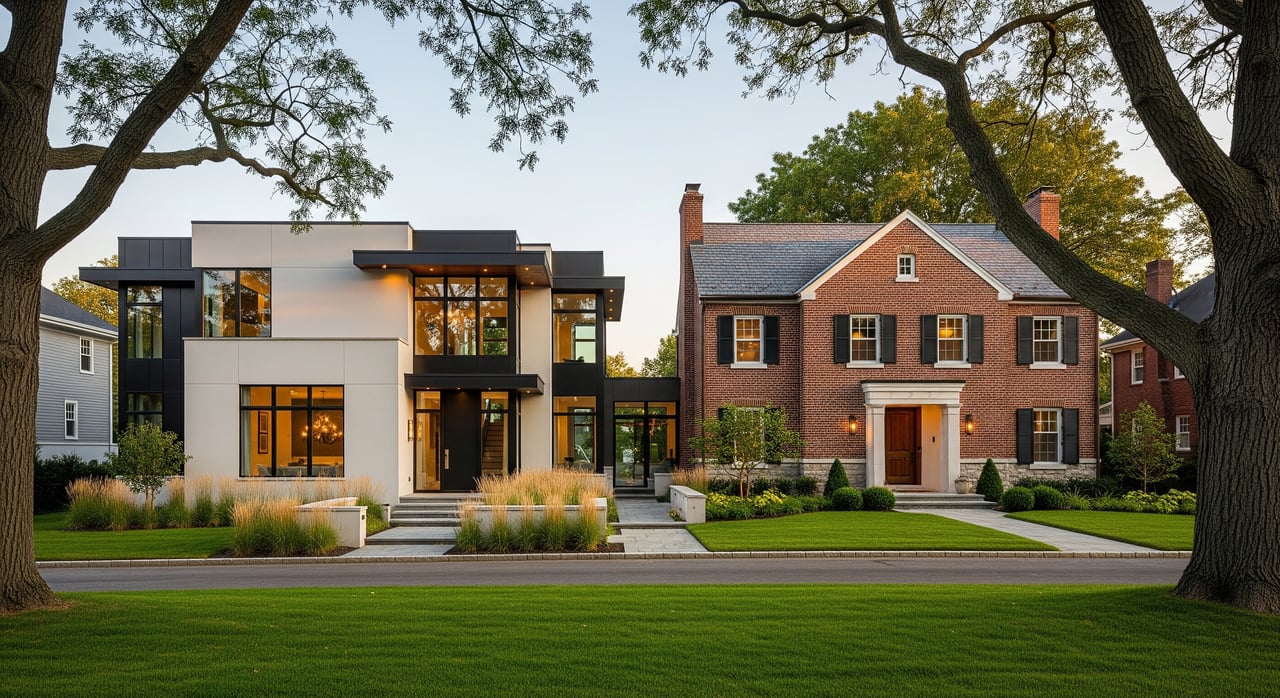
Trying to decide between a brand-new build and an established resale in Mason’s 45040? You are not alone. Buyers here often balance convenience, schools, timelines, and budget while inventory shifts between new subdivisions and limited resales. In this guide, you will see clear pros and cons, real cost factors, and a simple decision framework built for Mason families. Let’s dive in.
Mason 45040 market context
Mason is a Cincinnati-area suburb with steady demand supported by household growth, commuter access to I-71, and a strong local reputation for schools and family amenities. Since 2020, many suburbs like Mason saw tight resale inventory and rising prices, which pushed more buyers to consider new construction as a reliable supply source. New master-planned communities continue to grow at the edges of the city, while established neighborhoods closer to the core offer mature lots and proximity to daily needs.
In practical terms, you may find more floor plan choices and faster availability in new subdivisions, often at a premium. Resales in desirable pockets tend to move quickly and may require updates, but they can offer strong value and location advantages.
New construction: pros and cons
- Pros:
- Modern layouts, code-compliant systems, and potential for lower near-term maintenance.
- Builder warranties are common, often with 1-year workmanship, 2-year systems, and limited structural coverage over a longer term.
- Community amenities like pools, trails, and playgrounds are common in master-planned neighborhoods.
- Builders may offer incentives that reduce upfront cash needs.
- Cons:
- Total cost can exceed the base price once you add lot premiums and design upgrades.
- Timelines can stretch due to weather, material lead times, or inspections if you are building from the ground up.
- Landscaping and trees are less mature. HOA rules and fees usually apply.
- Locations may sit farther from the downtown Mason core or certain schools depending on the community.
Resale homes: pros and cons
- Pros:
- Often better price per finished square foot, especially if you are willing to update.
- Established neighborhoods offer mature trees, finished yards, and proximity to existing schools, parks, and services.
- Faster, more predictable closings once contingencies clear.
- Cons:
- Systems or finishes may be at midlife or beyond, which can add near-term repair costs.
- Floor plans can be less open or may need remodeling to match current preferences.
- No builder warranty unless one is provided by the seller.
Price and total cost
In Mason, new construction typically carries a premium for new materials, modern features, and lot selection. The base price can climb with upgrades to flooring, cabinets, counters, and appliances, along with lot premiums or community amenity assessments. Builders sometimes offer closing cost credits or lender incentives, which can help your upfront cash but may not offset all add-ons.
Resale homes can present a lower entry price, and you might negotiate for needed updates or repair credits. Budget for roof, HVAC, windows, and kitchen or bath updates over the first 5 years if they have not been addressed. For both paths, compare property taxes at the assessed value, HOA fees, and short-term maintenance. In new builds, assessments can adjust after completion, and some communities include special assessments. In resales, taxes are generally known and can be confirmed through the county.
Quick comparison checklist:
- Purchase price plus expected upgrades or repairs
- Estimated property taxes and any likely reassessment
- HOA and community fees
- Short-term maintenance and utility costs
Financing and closing
New construction loans
New construction can involve a construction or construction-to-permanent loan with different underwriting, possible higher down payments, and interest-only periods during the build. Many builders have preferred lenders with streamlined programs. If you select a spec or inventory home, the financing can look more like a standard purchase.
Resale mortgages
Resale purchases typically use standard mortgage products with common timelines in the 30 to 60 day range, depending on lender speed and contingencies. Appraisal and inspection outcomes can affect closing, but overall the process is more predictable than a ground-up build.
Timeline and certainty
For new construction, a finished or nearly finished spec home can close in 30 to 90 days. A new build from contract to completion can take about 4 to 9 months for production builders, and 6 to 12 months or more for custom homes. Weather, subcontractor schedules, materials, and inspections can extend delivery.
Resale closings are generally faster once finances and inspections clear. If you need to synchronize a sale and purchase or time a PCS or job transfer, this predictability can be a major advantage.
Energy and maintenance
New homes usually benefit from modern insulation, windows, and HVAC systems, which can help control utility costs and reduce early maintenance. Not every standard package delivers top efficiency, so check ratings like insulation values, window performance, and HVAC SEER to estimate savings.
Resale performance varies widely. Strategic upgrades to insulation, HVAC, and windows can improve comfort and efficiency, but plan for that investment. Balance the cost of upgrades against the lower purchase price and preferred location.
Neighborhood fit in 45040
- Downtown or near-school neighborhoods: Older homes with established blocks and mature landscaping. You get convenience to existing schools and community amenities.
- Mid-cycle subdivisions, roughly 10 to 25 years old: A mix of updates and homes that may need attention. These areas often strike a balance between price and location.
- New master-planned communities on the periphery: New floor plans, planned amenities, and HOAs with newer infrastructure. These are attractive if you want modern layouts and less immediate maintenance.
Think about your daily routine, after-school logistics, and commute to regional job centers via I-71. Visit areas at different times of day to understand traffic patterns, bus routes, and proximity to the services you use most.
Resale value and appreciation
Both new and resale homes can hold value in Mason when they are in desirable areas with strong neighborhood fundamentals. New homes may command a premium at first, which can compress over time as more homes are built. Updated resales in stable neighborhoods can appreciate well, especially when the lot and location stand out.
Mason buyer decision framework
- Step 1 — Clarify top 3 priorities and tradeoffs. Examples include shortest school commute, lowest monthly payment, or turnkey condition.
- Step 2 — Run a financial comparison for 2 or 3 homes. Add purchase price, upgrades or repairs over 5 years, likely taxes, HOA fees, and utility or maintenance differences.
- Step 3 — Plan your timeline. For new builds, add buffer for potential delays and confirm contract remedies. For resales, plan for inspection negotiations and appraisal timing.
- Step 4 — Set your inspection and warranty strategy. For new construction, schedule pre-drywall and final inspections and review warranty terms in writing. For resales, get a comprehensive inspection and specialty checks as needed.
- Step 5 — Do neighborhood due diligence. Visit at different times, review traffic patterns, and check future development plans through local planning resources.
- Step 6 — Choose your team and track documents. Use a local agent experienced with builder contracts and construction-to-permanent financing when needed. Consider legal review for complex builds.
Which path fits you?
Choose new construction if you want
- Modern layouts, lower near-term maintenance, and warranty coverage
- Community amenities and newer infrastructure
- Willingness to manage design decisions, potential premiums, and possible build timelines
Choose resale if you want
- Proximity to established schools, parks, and services
- Mature trees, finished yards, and sometimes larger lots
- Potentially lower price per square foot and faster closing, with readiness to update
How we support your move
You deserve a clear plan, timely updates, and confident decisions. Our team’s process is built for busy families, military relocations, and out-of-area buyers who need efficient, no-surprises guidance. We coordinate video tours, same-day walkthroughs, and inspection scheduling, and we help you compare new-build contracts and incentives to well-matched resales. If you are using VA financing or moving on a tight timeline, we tailor the search, financing coordination, and closing plan to fit your goals.
Ready to compare specific Mason homes side by side? Reach out to Megan Reed to map your priorities, run a real cost breakdown, and tour new and resale options that fit your timeline.
FAQs
Will a new Mason home cut my energy bills?
- Often new homes have better insulation, windows, and HVAC systems that help control utility costs, but savings depend on the exact equipment and ratings.
How reliable are builder warranties in 45040?
- Warranties provide useful protection, but coverage varies. Get all terms in writing, know how to file claims, and still schedule independent inspections.
How do I negotiate with a builder in Mason?
- Builders may be firm on base price but often offer incentives like closing costs, upgrades, or rate buydowns. Use a local agent to evaluate and negotiate.
Are resales better for school proximity?
- Resale homes in established neighborhoods are often closer to existing schools and amenities. Always review school boundary maps and bus routes to confirm.
Which holds value better in Mason, new or resale?
- Both can perform well in desirable areas. Updated resales in stable neighborhoods can match or exceed some new builds, while new homes may see initial premiums ease over time.