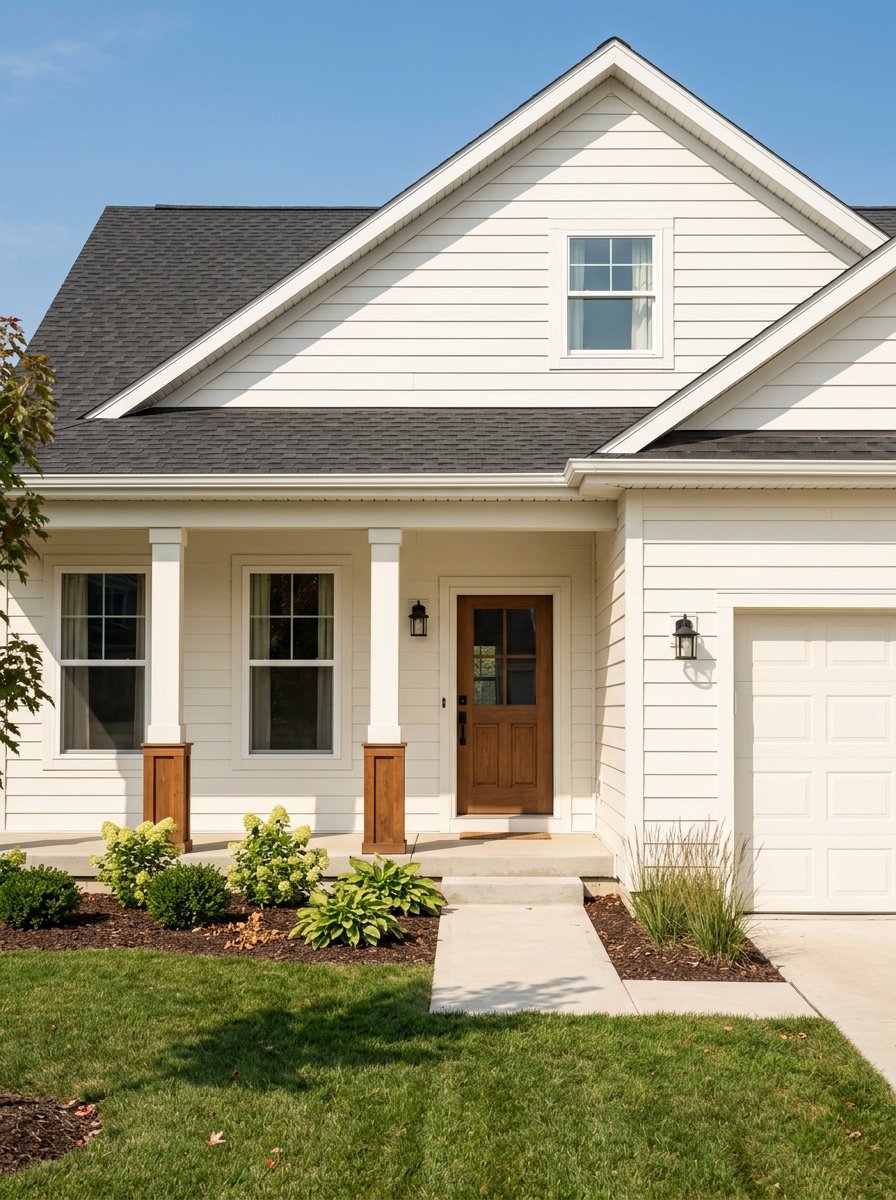
Buying a home from another state can feel like a leap of faith, especially when you are trying to judge a street, a layout, and a home’s condition through a screen. If you are considering Tipp City, you need more than polished listing photos and a few online maps. You need a process that helps you sort through local details, avoid surprises, and move forward with confidence. Let’s dive in.
Understand Tipp City Before You Tour
Tipp City is a compact Miami County market with a 2025 population estimate of 10,644. About 69.9% of homes are owner-occupied, the median owner-occupied home value is $273,500, and the median household income is $78,098. That points to a market that feels more stable and established than highly transient.
For you as an out-of-state buyer, that matters. In a place like Tipp City, small differences between streets, lot locations, and neighborhood layouts can shape your day-to-day experience more than broad online impressions. A home near the historic downtown area may offer a very different setup than a home in a newer subdivision or near the city edge.
Tipp City also promotes its historic downtown district, parks and recreation access, and location along I-75, about 6 miles north of I-70. Dayton International Airport is about a 10-minute drive away, which can be especially helpful if you need a quick visit before closing or expect frequent travel. The city’s average commute time is 20.9 minutes, and 94.5% of households have a broadband subscription, which makes remote work and remote home shopping especially relevant here.
Look Beyond Listing Photos
When you are buying from out of state, photos can create a false sense of certainty. Beautiful images may show finishes and staging, but they rarely tell you how a house lives, how it has been maintained, or what might need attention.
That is why your first goal should be context. You want to know where the home sits, how the parcel is laid out, whether the area has special zoning or historic rules, and what ownership responsibilities come with the property. In Tipp City, those details can vary quite a bit between downtown or older neighborhoods, newer subdivisions, and homes near the edge of town.
A strong remote buying process starts by screening homes based on facts, not just appearance. Once a property looks promising, you can dig deeper before you spend time and money on inspections and next steps.
Verify the Parcel Early
Before you narrow your list, confirm the basics through Miami County records. The Miami County auditor search supports parcel, owner, and address searches, while the county tax map department maintains maps for roughly 54,000 parcels. The recorder also provides public land records by request.
This step helps you confirm that the home you like online matches the parcel information on record. It can also help you spot issues that are easy to miss from a listing, such as unusual lot lines, access questions, or ownership details that deserve a closer look.
Just be careful not to treat public maps as final proof of anything. Tipp City says its online maps are for general informational use only and should not replace a true appraisal, survey, or zoning verification.
Check Zoning and Permit Rules
Zoning is one of the biggest details remote buyers overlook. Tipp City says zoning district designations can be checked on the zoning map, and it also notes that fences, sheds, swimming pools, additions, driveways, and decks require zoning permits.
That matters if you already know you want to build a fence, add a shed, expand a driveway, or make exterior updates soon after closing. Tipp City also states that zoning permits are handled by the city, while building permits are handled by Miami County. If you are planning improvements, you need to know which office is involved and what approvals may apply.
It is also important to remember that zoning is not the same as title review. Miami County guidance notes that restrictive covenants and deed restrictions may apply to a property, so a zoning check alone does not confirm a property is free of recorded restrictions or encumbrances.
Ask If the Home Is in the Historic District
If you love older homes or are drawn to downtown Tipp City, ask this question early: Is the property in the Restoration District? The city says properties in the historic district require a Certificate of Appropriateness before certain work, and that this district is concentrated in downtown and the oldest neighborhoods along Main Street.
That does not mean you should avoid these homes. It simply means you need to understand the rules before you assume exterior changes will be simple. For an out-of-state buyer, this is the kind of detail that can affect your timeline, renovation plans, and budget.
Confirm Utilities and Owner Responsibility
Utilities are another area where remote buyers can make wrong assumptions. Tipp City says it may provide electric, water, sewer, and trash service inside city limits. The city also states that the property owner is responsible for water and sewer repairs from the curb box or connection into the home.
That is an important distinction. If a repair issue comes up after closing, you want to know what falls to the city and what falls to you as the homeowner. This is especially important when comparing older homes with newer ones, since age and infrastructure can affect future maintenance.
Check Flood Risk by Address
Flood risk should always be checked by the exact property address, not just by city name. FEMA’s Flood Map Service Center is the official public source for flood hazard information, and FEMA notes that flood risk is property-specific rather than defined by city lines.
For a remote buyer, this step can help you avoid a major surprise late in the process. It can also shape your comfort level with the lot, your insurance questions, and your long-term ownership costs.
Build a Smart Remote Touring Process
A good virtual tour should do more than show you updated flooring and a nice kitchen. If you are serious about a home, ask for a live or recorded walkthrough that shows the less glamorous but more important areas of the property.
That should include:
- Ceilings
- Windows
- Basement or crawlspace
- Attic access
- HVAC labels
- Electrical panel
- Exterior grading
- Signs of past or current water intrusion
The goal is to match what you see on video with what later appears in the inspection report. That gives you a more complete picture and helps you make a decision based on condition, not just presentation.
Use Inspections to Reduce Surprises
An out-of-state purchase needs a strong inspection-first mindset. If the inspection uncovers issues, compare the findings with local contractor estimates before you remove contingencies.
This is one of the cleanest ways to decide whether the home still works for you from a distance. Instead of guessing about repair costs, you can review actual concerns, get realistic pricing, and decide whether to move forward, renegotiate, or keep looking.
In practical terms, this can be the difference between a confident remote purchase and a stressful one. Photos may hide wear, moisture issues, grading concerns, or deferred maintenance, but inspections and repair estimates can bring those risks into focus.
If You Are Using a VA Loan
For VA buyers, the process needs a few extra safeguards. The VA says you should apply for a Certificate of Eligibility, shop with a lender, and then buy with a VA-backed purchase loan. The VA also says a VA appraisal is not a home inspection and strongly recommends an inspection to look for major defects.
If you are writing an offer, make sure the contract includes the VA option clause and keep your inspection contingency intact. Those protections matter even more when you are buying from another state and relying on digital tools to evaluate the property.
If a VA appraisal comes in low, the VA explains that you may have options such as reconsideration, renegotiation, or paying the difference. Knowing that upfront can help you stay calm and make a measured decision if the value opinion does not match the contract price.
Plan Around a PCS or Long-Distance Move
If your move is tied to military orders or a tight relocation timeline, your home search needs structure. Military OneSource provides PCS and military move planning resources that can help you coordinate deadlines and reduce last-minute decisions.
Even if you are not military, the lesson is the same. Your buying timeline should account for touring, inspections, lender deadlines, moving logistics, and closing details well before the final week.
Compare Neighborhoods With a Clear Checklist
One of the hardest parts of choosing a Tipp City home from out of state is knowing how to compare locations fairly. The strongest approach is to use the same checklist for every property instead of relying on general impressions.
Focus on details like:
- Commute time
- School boundaries
- Flood exposure
- Utility responsibility
- Recorded restrictions
- Inspection findings
- Historic district status
- Parcel layout and lot use
In Tipp City, these factors can differ significantly between downtown or historic areas, newer subdivisions, and homes near the city edge. That is why a side-by-side comparison often tells you more than listing photos ever will.
Use School Information Carefully
If schools are part of your search, use state and district resources as starting points. Ohio School Report Cards can be helpful, but the state says they are only one part of the education story and recommends visiting schools, talking with educators, parents, and students, and reviewing school websites.
Tipp City Schools lists Broadway Elementary School, LT Ball Intermediate School, Tippecanoe Middle School, and Tippecanoe High School. For a remote buyer, understanding that basic district structure can help you organize your search before you ever arrive in town.
The key is to keep your evaluation practical and personal. Instead of searching for a “best” area, focus on whether a specific home aligns with your commute, budget, boundaries, and property goals.
A Better Way to Buy From Afar
Choosing a Tipp City home from out of state is not about finding the prettiest listing first. It is about building a process that helps you verify what matters, ask smarter questions, and avoid preventable surprises.
When you combine local property research, zoning checks, utility questions, flood review, thorough video tours, and a strong inspection strategy, you can make a confident decision even from hundreds of miles away. That kind of clarity is especially valuable when your timeline is tight or your move is already stressful.
If you want a local partner who understands remote purchases, military relocations, and fast virtual workflows, Megan Reed can help you navigate Tipp City with a clear plan and responsive support.
FAQs
What should I verify first when buying a Tipp City home from out of state?
- Start with the parcel record, tax map details, zoning, utility responsibility, and flood risk so you can screen homes based on facts before getting attached to listing photos.
Why does the Tipp City historic district matter for remote buyers?
- Properties in the Restoration District may require a Certificate of Appropriateness for certain exterior work, which can affect your plans, budget, and timeline.
How can I compare Tipp City neighborhoods from another state?
- Use a checklist that includes commute time, school boundaries, flood exposure, utility responsibility, deed restrictions, parcel layout, and inspection findings for each home.
What should a remote video tour of a Tipp City home include?
- Ask to see ceilings, windows, basement or crawlspace areas, attic access, HVAC labels, the electrical panel, grading, and any signs of water intrusion, not just decor and finishes.
What should VA buyers know about buying a Tipp City home remotely?
- A VA appraisal is not a home inspection, so you should keep your inspection contingency, include the VA option clause in the contract, and be prepared for options if the appraisal comes in low.
How can I research Tipp City schools before moving?
- You can review Ohio School Report Cards as one input and use Tipp City Schools resources to understand district structure, then follow up with direct school research if needed.